Think Different: A Masterclass in Persuasion
In 1997, Apple was 90 days from bankruptcy.
Microsoft was dominant. The Mac was a punchline. Steve Jobs had just returned to a company that had lost its way.
Then this appeared:
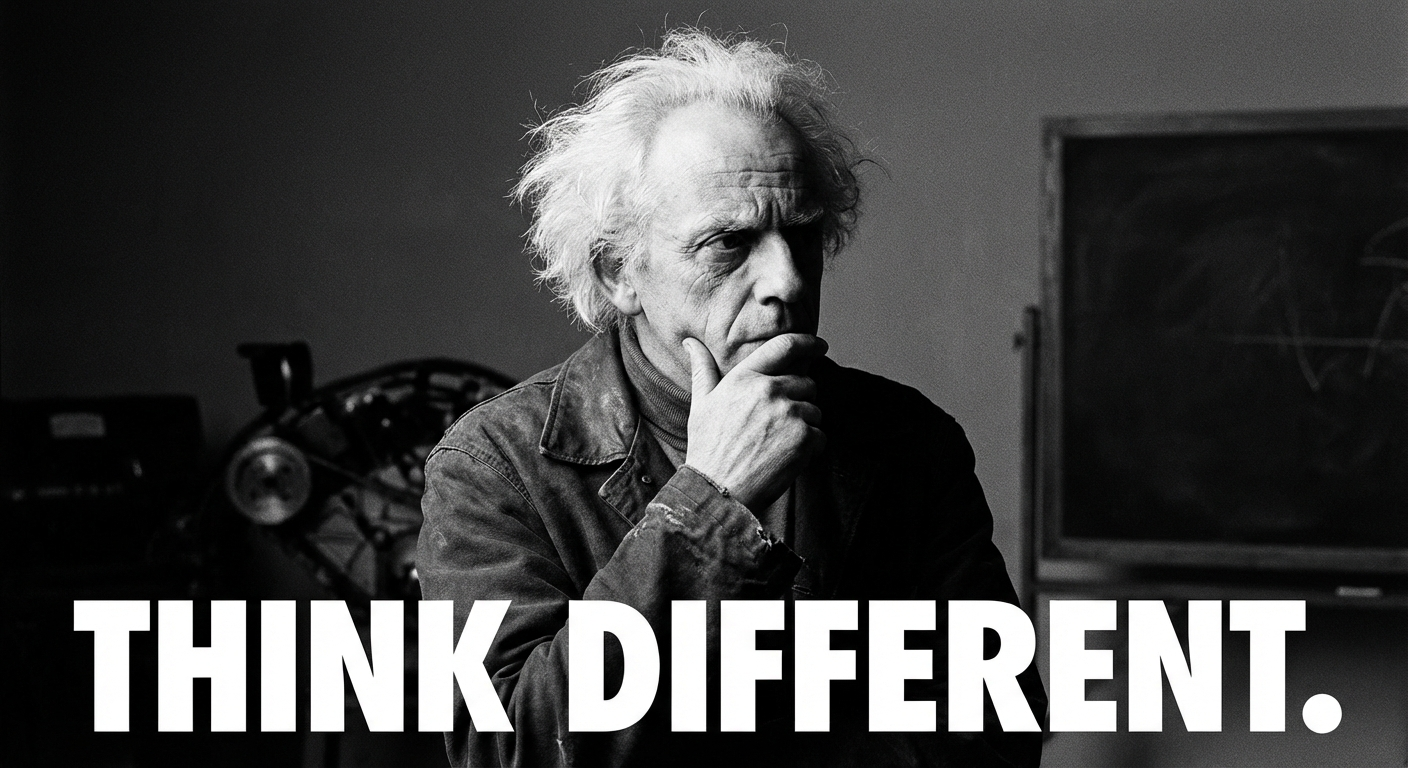 Albert Einstein. No product. No specs. Just two words.
What followed was one of the most successful brand campaigns in history — not because it sold computers, but because it sold identity.
Let’s break down the persuasion patterns that made it work.
The Script That Changed Everything
Before we analyze, read the full manifesto:
Here’s to the crazy ones. The misfits. The rebels. The troublemakers. The round pegs in the square holes. The ones who see things differently.
They’re not fond of rules. And they have no respect for the status quo.
You can quote them, disagree with them, glorify or vilify them. About the only thing you can’t do is ignore them. Because they change things. They push the human race forward.
And while some may see them as the crazy ones, we see genius. Because the people who are crazy enough to think they can change the world are the ones who do.
No mention of RAM. No clock speeds. No price points.
Just a worldview.
Pattern #1: Identity & Tribe
The pattern: People don’t buy products — they buy better versions of themselves.
Think Different didn’t say “our computers are faster.” It said “you’re a rebel, a creative, someone who changes things — and so are we.”
The campaign featured:
- Albert Einstein — the rebel physicist
- Mahatma Gandhi — the peaceful revolutionary
- John Lennon — the countercultural artist
- Muhammad Ali — the defiant champion
- Martin Luther King Jr. — the dreamer who changed the world
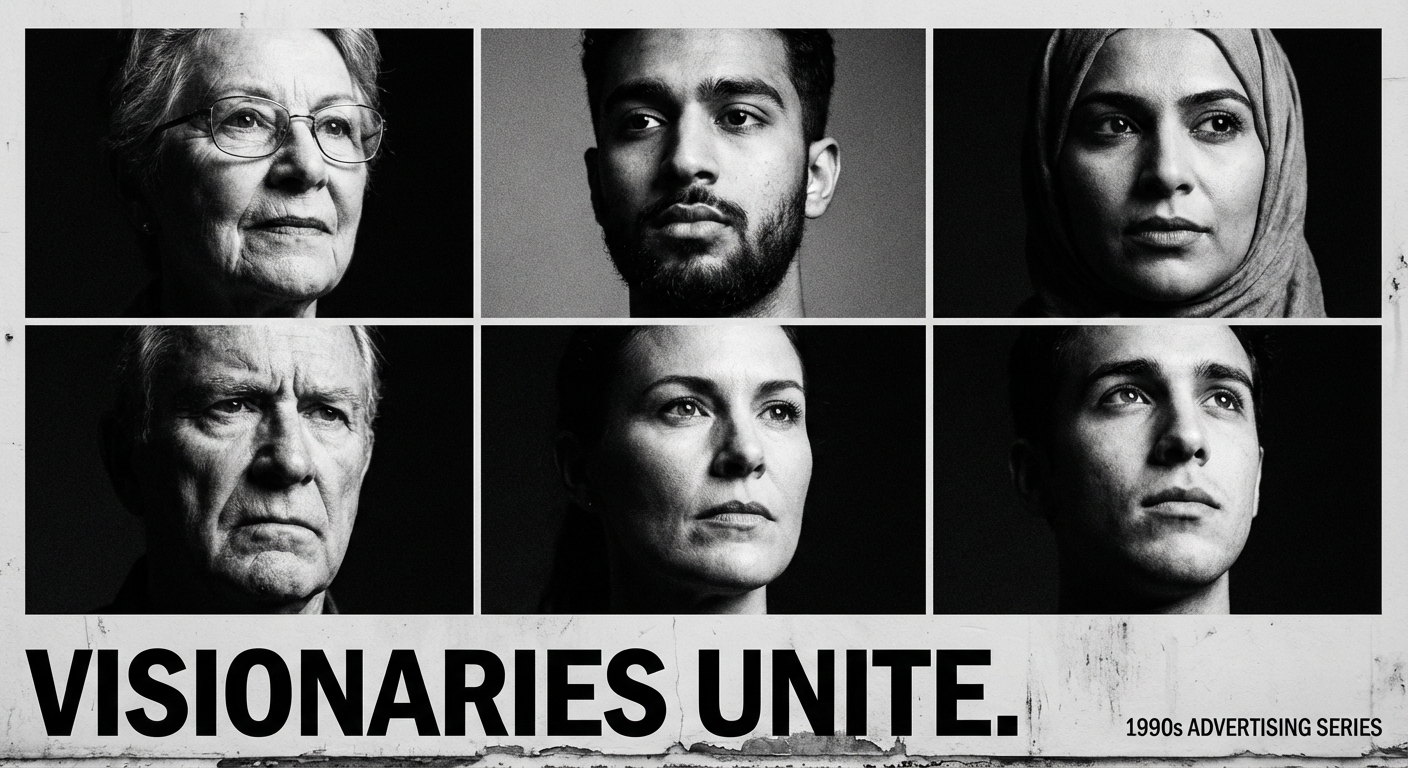 The crazy ones. Every face a statement.
By associating Apple with these icons, the campaign created an implicit message: If you buy Apple, you belong to this tribe.
The psychology: This is identity-based persuasion. When a brand becomes part of your self-concept, price comparisons become irrelevant. You’re not choosing a computer — you’re choosing who you are.
Pattern #2: Authority Transfer
The pattern: We trust messages more when they come from (or are associated with) credible sources.
Apple couldn’t claim to be revolutionary — they’d been failing for years. But Einstein? Gandhi? Picasso? Their authority is unquestionable.
By placing the Apple logo next to these faces, the campaign transferred their authority to the brand. The implicit argument:
These people thought different. Apple thinks different. If you think different, you belong with Apple.
Jobs personally called the families of the deceased icons and flew to meet Yoko Ono. He understood that the association itself was the message.
Pattern #3: In-Group/Out-Group
The pattern: We define ourselves as much by what we’re against as what we’re for.
The campaign created a clear enemy: the status quo. “Normal” people. Rule-followers. The ones who don’t get it.
This wasn’t subtle:
- “The misfits” (not the mainstream)
- “Round pegs in square holes” (you don’t fit their world)
- “No respect for the status quo” (you’re a threat to the ordinary)
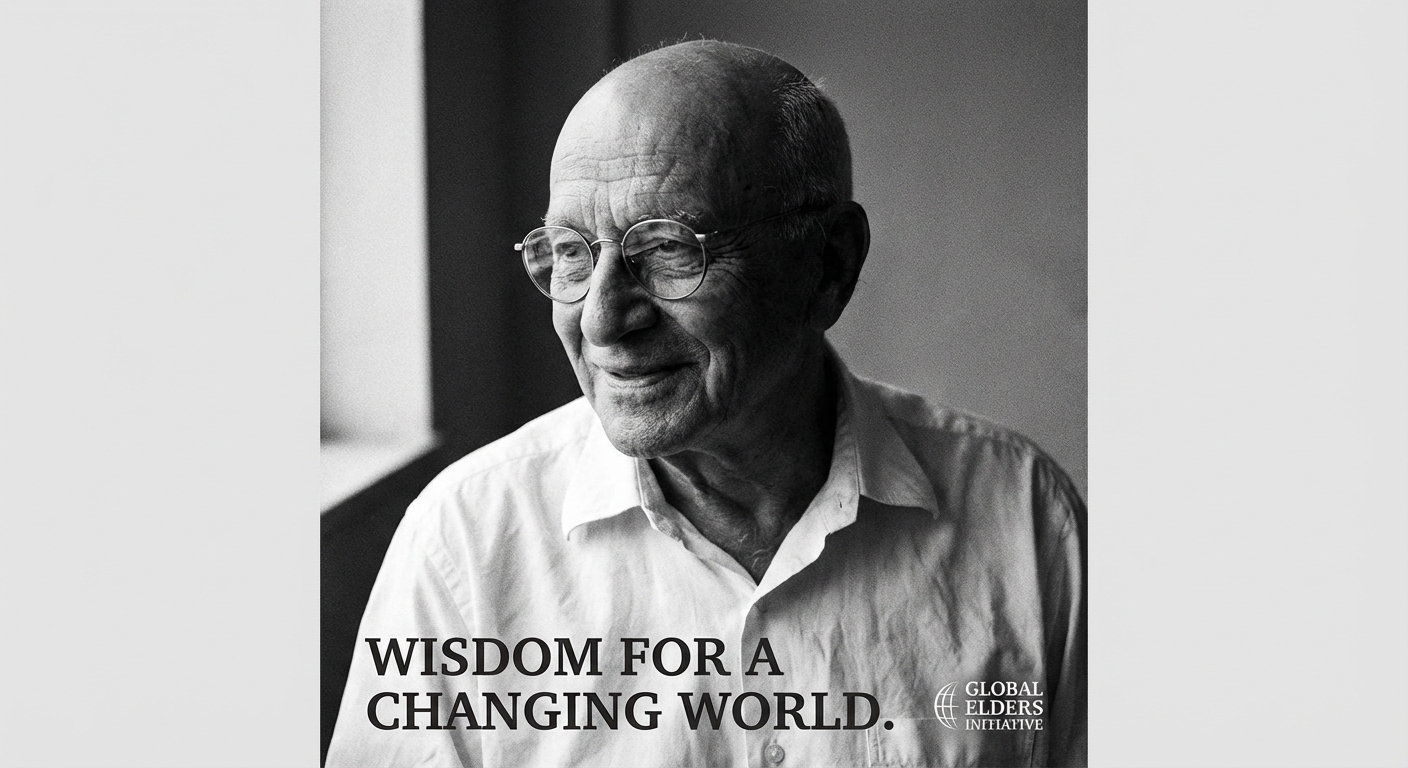 Gandhi. The ultimate rule-breaker.
The psychology: Creating an out-group strengthens the in-group bond. Every Mac user now had an identity: they weren’t just customers, they were different. And “different” meant better.
This pattern explains why Apple users defended the brand so fiercely in the 90s and 2000s — attacking Apple felt like attacking their identity.
Pattern #4: Emotional Over Rational
The pattern: Decisions are made emotionally, then justified rationally.
IBM sold specs. Dell sold price. Apple sold feeling.
The Think Different spots used:
- Black and white photography (gravitas, timelessness)
- Slow pacing (contemplation, not urgency)
- No product shots (aspiration, not features)
- Richard Dreyfuss’s voice (warmth, wisdom)
The psychology: When Apple fans were asked why they paid more for Macs, they’d rationalize: “better design,” “fewer viruses,” “creative software.” But the real reason was upstream of logic — they felt like Apple people.
Pattern #5: The Contrast Principle
The pattern: We evaluate things relative to what’s next to them, not absolutely.
At the time, computer advertising looked like this:
- “Intel Inside”
- “Now with 64MB RAM!”
- “Windows 95 Compatible”
Then Apple showed you Einstein.
The contrast was jarring. While competitors talked about megahertz, Apple talked about changing the world. The implicit message: We’re not even playing the same game.
Why It Worked
Think Different didn’t save Apple because it was clever. It worked because it addressed the real problem: Apple had lost its meaning.
The campaign reminded people — and reminded Apple employees — what the brand stood for. It wasn’t about computers. It was about a worldview.
The results:
- Apple stock tripled in 12 months
- Employee morale transformed overnight
- The campaign ran for 5 years and won an Emmy
- It set the template for every Apple campaign since
The Uncomfortable Truth
Here’s what makes this case study uncomfortable: you’ve been influenced by these same patterns your whole life.
Every brand that makes you feel like you “belong.” Every ad that sells identity instead of features. Every campaign that creates an “us vs. them” dynamic.
Think Different was brilliant. It was also manipulation — just manipulation in service of a product people genuinely loved.
The patterns don’t care whether they’re used for good or evil. They just work.
Identity, Authority, Tribe, Emotion, Contrast — these are just 5 of the 44 patterns in Sleight. Download free to see the full playbook.
Want more patterns like this?
Sleight teaches you 44 psychological patterns with real examples and ethical applications.
Download the app free →Related Articles
The Psychology of Free Trials (And Why They're So Hard to Cancel)
Free trials aren't about trying the product. They're a conversion machine built on ownership psychology, commitment, and status quo bias.
How to Resist Manipulation: A Practical Defense Guide
You can't turn off cognitive biases. But you can build defenses that make you harder to manipulate. Here's how.